


Midland Custom Deck Builder: Best Framing Materials for High Snow Loads
Category: Uncategorized
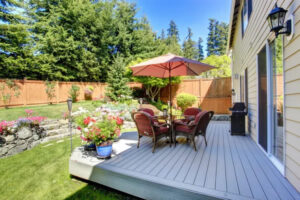
Midland winters pile on the weight. If you want a backyard deck that stays strong through heavy snow and spring thaw, the frame under the boards matters as much as the surface you see. As your local team at RVA Construction, we build for Mid‑Michigan’s freeze, slush, and big temperature swings so your deck feels solid in January and July alike. Start with smart structure, then match the surface by visiting our custom deck building page for ideas that fit your home.
For a quick overview of who we are and how we serve homeowners across the Tri‑Cities, learn more from a midland custom deck builder committed to strength, drainage, and clean finishes that last.
Why Snow Load Matters In Midland, MI
Snow in Midland does not fall evenly. Wind rows can drift against guardrails and steps. Shaded lots near the Tittabawassee hold snow longer than sunny yards in Larkin Township or Plymouth Park. That extra weight sits on joists, beams, and posts. When framing is undersized or the footings shift, boards telegraph the problem with bounce, squeaks, or uneven gaps.
We design deck frames so they stay stiff under weight, shed water fast, and avoid the spring heave that shows up after a deep freeze. The goal is simple: crisp lines in July and the same crisp lines after the February thaw.
Pressure-Treated Lumber vs. Steel Joists Under Composite Decking
Composite decking is popular across Midland, Central Park, and Chestnut Hill because it looks clean and needs far less upkeep. The substructure must match that performance. Here is how the two most common framing options compare when you plan for snow and ice.
Strength And Deflection
Pressure-treated southern yellow pine is strong, familiar, and easy to source. With proper spans and blocking, it delivers a comfortable feel underfoot. Steel joists are stiffer at similar depths, which helps limit bounce on larger spans and reduces the chance of wavy lines that can show through composite boards after a hard winter.
Durability And Moisture
Treated lumber fights rot, yet it still moves with moisture. That seasonal swell and shrink can make composite board gaps vary. Galvanized steel joists resist rot and stay dimensionally true, which helps keep fastener lines straight and board edges aligned after snow load and thaw cycles. Near damp soils or river air, use hot‑dip galvanized hardware and separate dissimilar metals to avoid corrosion.
Fasteners, Sound, And Feel
Composite decking over wood joists feels quiet and familiar. With steel, you gain crisp alignment and long spans, but you must pair the right fasteners and isolating clips. Those clips prevent squeaks and help manage the different expansion rates between composite boards and steel joists. Avoid mixing metals without proper isolators so you do not set up a slow, hidden reaction that shortens the frame’s life.
Maintenance And Life Expectancy
Quality treated lumber frames last when kept dry and detailed well. Steel joists need little maintenance beyond inspections, especially under composite surfaces that shed water. For homeowners who want strong lines and fewer seasonal adjustments, steel often pairs well with composite decking in our climate.
Composite Decking That Works In Freeze–Thaw
Composite boards differ in density, cap layer, and texture. In Midland, light-to-medium colors stay cooler in July and look cleaner during slushy March weeks. Textured caps improve traction on stairs and landings. Many products require tighter joist spacing than wood boards to control deflection, which is important when snow loads compress any remaining moisture on the surface into slick film.
- Follow the manufacturer’s joist spacing for straight lines and firm footing under snow weight.
- Use hidden clips or screws approved for composites to keep fasteners from backing out during seasonal movement.
- Vent the skirt to let cold, wet air move out after storms.
For a deeper look at surface choices, read our local guide to deck materials and textures for Mid‑Michigan weather on the blog: see deck materials for mid‑michigan weather.
Post Footings And Frost-Line Strategy Near The Tittabawassee
Spring ground‑heave cracks the best plans when footings stop too high or sit in poor soils. Along the Tittabawassee River basin, water tables and clay pockets boost heave risk. Best practice is to place deck footings below the local frost line and on solid, undisturbed soil with a clean base that drains.
In much of Mid‑Michigan, the frost line is commonly around 42 inches. We design footings to extend deeper than that benchmark so freeze–thaw happens above the bearing surface. Always set posts below the frost line, then expand the base so the footing resists uplift during thaw.
- Excavate to stable soil, add compacted stone for a clean, draining seat, and bell the base where soils allow.
- Use concrete with proper cure protection so early cold snaps do not weaken the pour.
- Isolate post bases from standing water and grade splash with proper sleeves and drainage paths.
On sloped or river‑adjacent lots, we often pair deeper footings with framing that transfers load to interior piers. That way your guardrail posts and stair landings stay tight even after a long winter.
Local tip: Yards near the Tittabawassee can hold groundwater longer into spring. A deeper footing with a widened base and a vented skirt helps reduce frost heave and musty under‑deck air. It also keeps critters from nesting when snow piles push against the rim.
Framing Layout That Keeps Composite Decking Happy
Composite boards reward precise layout. Straight joists and square corners keep gaps even, especially after a January thaw and refreeze. Steel joists make this easier on large diagonals or picture‑frame borders. Wood joists work well too with added blocking and careful crowning so high edges face up and plane out.
Stairs need special attention. Treads see packed snow that melts and refreezes from boots. Use the tighter stringer spacing many composite stair systems call for, and line up fasteners where the cap layer accepts them. Choose slip‑resistant textures on treads so morning ice is less of a surprise.
Beams, Connectors, And Guardrails For Heavy Snow
Beams carry winter’s worst. In open backyards around Bullock Creek and Poseyville, drifting can stack snow at mid‑spans. Laminated wood beams sized with winter in mind or cold‑formed steel beams both work, but the hangers and bolts need the same level of care. We use corrosion‑resistant hardware, flashing at the ledger, and continuous load paths into the footings.
Guardrail posts are stress magnets during shoveling and when snow slides off the field. Through‑bolted connections with blocking keep them from loosening. On steel frames, compatible brackets and isolators preserve coatings and keep the hardware from buzzing in high winds.
Drainage, Flashing, And Airflow
Decks fail where water lingers. Flash the ledger to move meltwater out and away from the house. Add joist tape on wood frames to protect the tops from standing moisture under snow. Open the skirt near grade so cold, damp air can escape instead of feeding rot or rust. These details are simple to miss and hard to fix later, so we plan them on day one.
If you want a full, snow‑ready plan from framing through finishes, explore our approach to custom deck building and how we sequence structure, surface, and drainage together.
Neighborhood Notes Across Midland
Every part of Midland asks for a tweak. In Woodland Estates and Winding Creek, wind channels can drift snow against corners, so we reinforce those spans. Shaded streets near Downtown keep ice longer, which makes textured boards and careful stair spacing a smart pick. Larkin Township lots often sit drier, but gusts move snow fast, so we treat guardrail posts like mini beams.
We also watch yard grades and downspouts. Melt lines that cross a deck can refreeze at the first cold snap. Directing water into stone‑filled drains or daylight helps keep the frame dry and steady all season.
Steel Or Wood: Which Frame Should You Choose?
If you want the most rigid platform under composite decking and plan a complex pattern or large picture frame, steel joists are strong candidates. They deliver crisp lines and stable spacing that hold up to repeated snow cycles. If you prefer a traditional build with warm acoustics and easy modifications, pressure‑treated lumber remains a reliable choice when sized and protected correctly.
Either way, the winning deck in Midland balances snow load, moisture, and movement. That means right‑sized joists and beams, deep, well‑draining footings, careful fasteners, and steady airflow. The rest is style.
How RVA Construction Builds For Mid‑Michigan Winters
Our team designs frames for the real weather you see in Midland. We model spans for winter weight, match composite board specs to joist spacing, and lock moisture out with layered protection. We also plan footings for local soils, especially near river‑adjacent areas that stay wet longer after thaw.
If you are mapping a bigger project that pairs a deck with siding, windows, or a room expansion, you can browse a broader list of work on our remodeling services page. It helps you see how seamless transitions and drainage carry across the whole exterior.
Ready To Build A Snow‑Ready Deck In Midland?
Let’s build a deck that stands tall through deep snow and spring thaw. Talk with RVA Construction at 989-928-9382 about your yard, soil, and the look you want. We will bring samples, check your site, and map a plan that fits your routine and our weather. When you are ready to get specific, our page on custom deck building shows how we turn a strong frame into a clean, finished space you will love year‑round.