


Saginaw Basement Finishing Costs: Preventing Moisture and Mold in Mid-Michigan Homes
Category: Basement Finishing
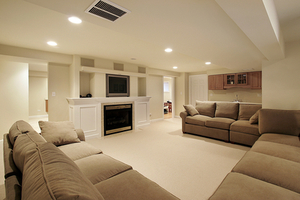
Saginaw basement finishing should start with moisture control, not paint colors. Homes in Saginaw, MI, and nearby townships sit in soils with seasonal high water tables and lake-effect humidity that can overwhelm a standard remodel. At RVA Construction, we design the space to stay dry before a single stud goes in, because that is what protects your budget and your health over time.
Why Saginaw Basements Need a Different Plan
Our area feels the push and pull of Saginaw Bay winds, snowmelt, and clay-rich soils. In late winter and spring, groundwater rises, and hydrostatic pressure builds against foundation walls. Summer brings warm, wet air that condenses on cool concrete. Those swings can drive moisture into porous materials and feed mold.
Neighborhoods like Saginaw Township, Shields, Carrollton, Kochville, Bridgeport, and Old Town each have their own mix of soil types and drainage history. A finish that works on sandy lots near Freeland may fail on heavier clay near the Tittabawassee floodplain. The fix is not a one-size product. It is a sequence of diagnostics and matched assemblies that allow the structure to manage water year-round.
Saginaw Basement Finishing: Our Diagnostic Approach
Before pricing is finalized, we perform a structured moisture and structural assessment. This is hands-on builder work that tells us what your basement needs to stay clean and dry.
- Hydrostatic pressure and seepage mapping: We inspect for staining, efflorescence, and active seepage points, then trace the path water takes to reach the cove joint and slab. If a perimeter drain or sump exists, we test its flow and verify that discharge routes away from the home.
- Moisture content and permeance: We measure slab and wall moisture, note coatings, and identify whether prior sealers are breathable. This prevents us from trapping vapor later.
- Thermal and air leakage review: We scan rim joists, sill plates, and penetrations. Cold rim areas plus humid air equals mold. Sealing plans start here.
- Foundation movement and finish readiness: We check for cracks that move, slab heave or curling, and wall bowing. A stable base is the first step in any finished floor or wall system.
- Mechanical capacity and air quality: We assess dehumidification, fresh air intake, and duct sealing. Equipment must maintain relative humidity during the shoulder seasons, when the AC rarely runs.
In Mid-Michigan, the driest stretch for interior concrete work often lands late summer into early fall. Starting then helps materials acclimate and reduces delays tied to spring groundwater. Ask us about planning your project timeline for local weather patterns.
Engineering Choices That Stand Up to Mid-Michigan Weather
Every layer in a finished basement should help manage water, vapor, and temperature. The assemblies below are selected and combined only after diagnostics confirm they are suitable for your foundation and soil conditions.
Do not trap moisture behind plastic against cold concrete. Concrete needs a pathway to dry inward or outward depending on the season. We choose systems that control vapor while allowing safe drying.
Water Entry Control at the Source
If testing shows active seepage at the cove joint, we plan drainage first. That may include a serviceable interior channel tied to a properly sized sump with a check valve and a reliable discharge route. When walls are damp but not leaking, we use compatible breathable coatings or capillary breaks on the concrete side before finishes. The goal is to move liquid water to a drain and keep vapor predictable.
Subfloor Systems That Stay Dry
Basement floors are the coldest mass in the room. Putting wood right on the slab invites condensation. We specify insulated subfloor assemblies that separate organic materials from concrete and interrupt vapor drive.
- Dimpled drainage membrane with continuous seams below a rigid foam layer and structural panel. The dimples provide a pressure break and a path for incidental moisture to move to a drain point.
- Panelized insulated subfloors that combine a moisture-resistant surface with foam backing. Joints are sealed as a system so warm interior air cannot reach a cold slab and condense.
Always isolate wood from concrete with a capillary break. That includes pressure-treated bottom plates set on a gasket or membrane and fasteners designed for treated lumber.
Wall Assemblies That Breathe the Right Way
Basement walls need insulation that tolerates occasional humidity and keeps interior surfaces warm. We avoid stuffing fibrous batts against bare concrete. Instead, we create a controlled plane next to the foundation.
Common approaches include rigid foam boards with sealed seams directly on the wall, followed by a non-organic framing layer. Where a vapor retarder is needed, we choose materials with balanced permeance so the wall does not become a moisture trap during summer. Finishes remain on the warm side of that control layer, reducing the risk of condensation during January cold snaps.
At rim joists, we seal and insulate with closed-cell or rigid foam, plus sealant, then protect the insulation with an approved thermal barrier. This warms a notorious cold spot and blocks air leaks that feed condensation.
Ceilings, Penetrations, and Details
We protect critical service zones, so sump lines, drains, and shutoffs remain reachable. Fire blocking, sealed penetrations, and gasketed access panels help control air movement. Finishes are chosen for cleanability and moisture tolerance so a small spill never becomes a big repair.
Mechanical Controls That Keep Basements Dry
Building assemblies do half the work. Mechanical systems do the rest. We size a dedicated dehumidifier to the room volume and typical moisture load, then drain it directly to a serviceable location. The unit must have a reliable drain and a dedicated circuit so it runs when the weather swings wet but warm.
If supply air is part of the plan, we keep it modest and balance return paths so the basement does not become a pressure driver for the whole house. Ducts are sealed. Bath exhausts and floor drains are verified. Controls are placed where they read true conditions, not next to a cold wall or sunlit window.
Cost Drivers That Protect Your Investment
We do not guess at line items. Costs vary by home size, moisture findings, and material choices. Here are the main drivers that influence total project investment without listing prices:
- Water management scope: Interior drainage, sump upgrades, and wall preparation before finishes.
- Insulated subfloor selection: Membrane plus foam assemblies compared to panelized systems with integrated insulation.
- Wall system performance: Rigid foam thickness, framing type, and vapor control strategy suited to Mid-Michigan humidity.
- Rim joist sealing and insulation: Materials that both air seal and resist seasonal condensation.
- Dehumidification and ventilation: Dedicated equipment, routing, and electrical needs.
- Layout complexity: Bathrooms, bedrooms, egress changes, and ceiling obstructions like beams or ducts.
- Finish durability: Moisture-tolerant flooring and trim that hold up in basements.
- Timing and access: seasonal groundwater, exterior grading, and the entry of materials into the space.
We walk you through each choice with test results in hand. That way, every dollar goes to resilience first, then comfort and looks. You get a finished space that stays usable through snowmelt, summer storms, and winter cold snaps.
How We Build for Healthy, Durable Basements
Our process blends building science with practical field habits. It is focused on the parts of a Saginaw basement that typically fail first.
Floors are kept warm and dry with insulated assemblies that limit vapor. Walls are detailed so interior finishes see stable temperatures and low humidity. We use sealants and tapes rated for the surfaces they touch, and we document seams and transitions with photos during the build. Penetrations are sealed, not just foamed over. Sump lids are gasketed and serviceable. Electrical is routed to keep dehumidifiers, pumps, and future maintenance accessible.
For trim and doors, we select moisture-tolerant materials and finishes. Lighting is planned to avoid fixtures that create heat pockets near cold surfaces. Storage areas are ventilated so still air does not collect behind built-ins.
We also coordinate with landscapers or grading crews when outside conditions are pushing water toward the house. Simple exterior corrections, when needed, reduce indoor moisture loads and help your interior systems succeed.
Local Considerations Across Saginaw County
Clay-heavy neighborhoods can hold water longer after a storm, which keeps foundations damp. Areas closer to rivers or creeks can experience higher groundwater during thaw. Homes built before major drainage upgrades may lack a continuous interior drain. We tailor our scope to these on-the-ground realities and document our findings, so you have a clear record of the decisions.
In Saginaw Township and Kochville, we often see wide temperature swings in spring. That can load concrete with moisture, then cool it quickly at night. Our assemblies reduce the risk by keeping interior surfaces warm enough that humid air will not condense. In Shields and Carrollton, we pay extra attention to sump discharge routing and check valves so systems stay quiet and reliable during heavy rains.
Rim joists are the coldest framing surface in winter. Sealing and insulating them during the finishing phase prevents hidden condensation, musty odors, and damaged trim later. This single detail can protect more of your finish budget than any decorative upgrade.
Moisture Testing That Informs Material Choices
Our team records slab and wall readings and compares them to the behavior of candidate materials. If a test shows slow drying potential, we avoid finishes that need perfectly dry surfaces to last. If vapor pressure is high in summer, we choose control layers with the right permeance and keep organic layers to the warm side of insulation. The wrong membrane in the wrong place can trap water, so we verify, then build.
Where a previous coating or sealer is present, we confirm compatibility. Not every new product bonds to old films. We follow manufacturer-tested combinations and document them for your records.
When to Schedule Your Project in Saginaw
Basements can be finished any time of year, but schedule affects efficiency. Spring often brings high groundwater that slows some prep tasks. Summer storm humidity can spike. Late summer into early fall usually gives the most predictable indoor conditions for curing compounds and adhesives. We also coordinate long-lead materials so framing and mechanical work keep moving without gaps.
If you are in Bridgeport or near the river, we add a little buffer to the schedule around peak melt periods. If you are on higher ground in parts of Saginaw Township, access and staging may be simpler, which can tighten the calendar. The goal is the same everywhere: steady progress and a dry, clean handoff.