


Midland MI Deck Builders: Selecting Materials for Wooded and Shaded Backyards
Category: Custom Deck Builder
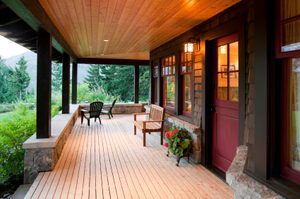
Shaded lots in Midland can be beautiful, quiet, and tricky. As Midland, MI deck builders, RVA Construction designs every project around moisture, leaf drop, and low winter sun that lingers in the trees. If your yard stays damp after storms or sits under a canopy near the Chippewa Nature Center or Midland City Forest, the right material and structure matter. Start planning with smart custom deck building so framing, drainage, and surfaces work as one system.
Why Shaded Midland Backyards Are Tough on Decks
Heavy canopy slows evaporation. Spring snowmelt and summer humidity keep boards damp. Leaves hold water against surfaces and feed mildew. North-facing corners thaw last. The result is swelling, slick spots, and finishes that wear fast unless the deck is engineered to dry.
Our region’s freeze-thaw cycles add stress. Water sneaks into tiny gaps, freezes, and expands. Over time, unvented framing and tight skirting trap moisture. That is why airflow and board spacing are not small details. They are part of the structure’s health.
Composite vs Pressure-Treated Wood Under Dense Foliage
Here is what we see on site visits across Midland’s wooded neighborhoods when decks live under heavy shade.
- 1–3 years: Quality capped composite sheds grime faster after rain; mildew can film on the surface but washes off. Pressure-treated wood looks warm but may show early darkening where leaves sit.
- 3–7 years: Composites with embossed texture keep better traction in wet seasons. Pressure-treated boards need consistent professional sealing to resist raised grain and algae in joints.
- 8–12 years: Good composites hold color and edge profiles. Wood still looks classic if cared for, but shaded joist bays can stay damp and speed wear without added ventilation.
Both materials can perform well when the frame and drainage are designed for shade. If you want deeper research, skim our local take in this related article: deck materials for mid-michigan weather.
Traction, Temperature, and Color Choice
In Midland’s shade, slickness matters more than heat buildup. Look for composites with real texture at steps and landings. Choose mid-tone or lighter colors on north and east exposures so algae stains show less and clean up faster. Wood can also be textured with careful milling, but it still needs regular sealing to keep grip in wet months.
Engineering the Structure for Wet, Unlevel, Tree-Lined Lots
Wooded lots around Midland often have roots, slopes, and soft pockets. A stable deck starts beneath the boards. We tailor foundation choices to soil, slope, and shade so the frame stays dry and true.
- Footings that fight water: Helical piles or deep concrete piers set in well-drained excavations help resist frost heave and soft topsoil. We set posts on hardware above grade to keep them out of splash zones.
- Smart drainage: Free-draining stone around piers, positive slope away from the house, and careful grading under the frame keep puddles from forming.
- Root-aware placement: Layouts shift slightly to protect major roots near mature oaks and maples. This prevents future settling and keeps trees healthy.
- Adjustability: Sloped sites get adjustable post bases for fine-tuning as soils relax after a hard thaw.
Never bury framing in mulch or soil. Keep beams and joists high enough for air to move, even if the deck skirt sits low to the ground.
Local insight: river-adjacent and low-lying yards in Midland stay wetter after spring storms. Plan for airflow under the frame and choose textures that keep steps sure-footed. A lighter deck color makes algae easier to see and clean before it becomes a slip hazard.
Mold Prevention and Airflow Strategies That Actually Work
Shade itself is not the problem. Trapped moisture is. We design to flush humidity and stop water from sitting where it should not.
Vent the skirt. Use louvered or hidden vents on three sides to move air. On tight urban lots, add discreet vents near corners where dampness lingers. For multi-level decks, leave vertical pathways between levels so warm air can rise and escape.
Gapping and drainage matter too. We follow manufacturer spacing so composites dry between boards, and we maintain consistent gaps at butt joints. Where homes sit beneath dense pines, we avoid under-deck systems that trap water unless we also install dedicated drains and access panels for cleaning.
Seasonal maintenance is simple but important. A gentle professional wash in spring and a quick check of stair treads and rail posts after leaf fall go a long way. Cleaning before winter prevents slippery algae from setting up over the cold months.
Design Choices That Fit Wooded Settings Around Midland
Form supports function. On sloped, tree-lined lots, design choices can hide mess, improve safety, and help the deck last.
Picture framing and border boards add a finished look while protecting end grain. Multi-tone layouts disguise tracked-in dirt. Integrated post and step lighting make evening movement safer under canopy. Where a family wants more bug-free time, we often design a deck that meets a screened living space. If you are thinking about expanding inside as well, explore room additions to connect your deck with a cozy four-season space.
Composite or Wood: How to Choose for a Shaded Yard
If your routine leaves little time for upkeep, capped composite or PVC is often the right call in the shade. It avoids frequent sealing and many lines offer reliable traction textures. If you love natural grain and will schedule professional care, pressure-treated wood still shines. We match stains to the tree canopy so the deck looks like it belongs.
Think about pets, kids, and wet shoes too. Families with lots of foot traffic often prefer embossed composite because the surface cleans fast after soccer nights and spring hikes. Wood feels warm underfoot, but it needs care to stay grippy near the back door where melt and rain collect.
How RVA Construction Builds for Long Life in Shaded Yards
Every property is different. Our process starts with a site walk to read the shade pattern and drainage. We note downspouts, leaf loads, and soft spots. Then we map footings to strong soil and design the frame to breathe.
From there we compare samples at your home. You can see colors in your own light and feel textures with wet shoes. We size joists and beam spacing to match the selected surface. Hidden fasteners keep edges tight so debris does not catch. We flash every ledger to steer water away from the house. When you are ready to move forward, our team coordinates material ordering and build phases through custom deck building so your deck arrives strong, clean, and ready for family time.
If you want to learn more about surfaces in our climate, our local write-up on material performance in Mid-Michigan is a quick read: our guide on deck materials.
Real-World Examples From Wooded Midland Lots
Near Midland City Forest, dense pines keep the ground cool and damp. Here we lean on mid-tone composites with deep texture on steps. Wide, vented skirts and stone underlayment help air move and prevent splash-back. Where homeowners prefer wood, we pair professional sealing schedules with open-riser stairs so treads dry faster after storms.
Southwest of town near the Chippewa Nature Center, low areas by the river often hold water longer. We choose footing types that perform in softer soils and place borders that shed debris to the edges for easy cleaning. Rail lighting makes twilight safer beneath the canopy.
Quick Material Snapshot for Shaded Backyards
- Composite and PVC: Low upkeep, reliable color, strong traction options. Pick lighter or mid-tones to see and clean algae early.
- Pressure-treated wood: Warm, timeless look. Needs consistent sealing and ventilation plans to fight moisture in shade.
- Framing and airflow: The deck lasts longer when joists, gaps, and skirts are designed to dry. Small design tweaks pay off for years.
Ready to Plan a Deck That Loves the Shade?
You deserve a deck that fits your trees, your slope, and your routine. Call 989-928-9382 to talk with RVA Construction about timelines and options. We will bring samples, study your site, and help you choose a surface and structure that stays safe and good-looking season after season. When you are ready, explore custom deck building to see how we bring shaded-yard projects to life in Midland.
Tip: keep gutters clean and splash lines away from the deck edge. It is a small habit that helps every surface in a shaded yard last longer.